
Parental alienation syndrome, parentification, and overcompensation are covert yet equally destructive forms of trauma. Learn about their meanings, how they develop, and the family therapy techniques that can help individuals heal from them.
Introduction
Divorce, family conflict, and unhealthy family dynamics can be painful. However, it is not always the separation itself that causes the greatest harm; sometimes it is what comes afterward. Parental alienation syndrome, parentification, and overcompensation are subtle yet highly damaging forms of emotional abuse.
These patterns often become harmful because many parents are unaware of the impact of their actions. Understanding the meaning behind these terms can help families avoid falling into these destructive cycles.
What Is Parental Alienation Syndrome?
Parental Alienation Syndrome (PAS) occurs when one parent influences a child to reject or avoid the other parent. In some cases, this may happen unintentionally, and the parent may not even realize that their behavior is affecting the child’s relationship with the other parent.
The term was coined by psychiatrist Dr. Richard Gardner in the 1980s. He observed children who suddenly became hostile toward one parent for no apparent reason during custody disputes. The rejection was intense and often appeared unjustified.
How to recognize signs of parental alienation
A child experiencing parental alienation may avoid one parent or refuse contact altogether. They may criticize the parent using language or arguments that seem unusually mature for their age. The child often shows little or no remorse for rejecting the parent. In some cases, the alienating parent encourages the child to suppress any resistance or objections they may have.
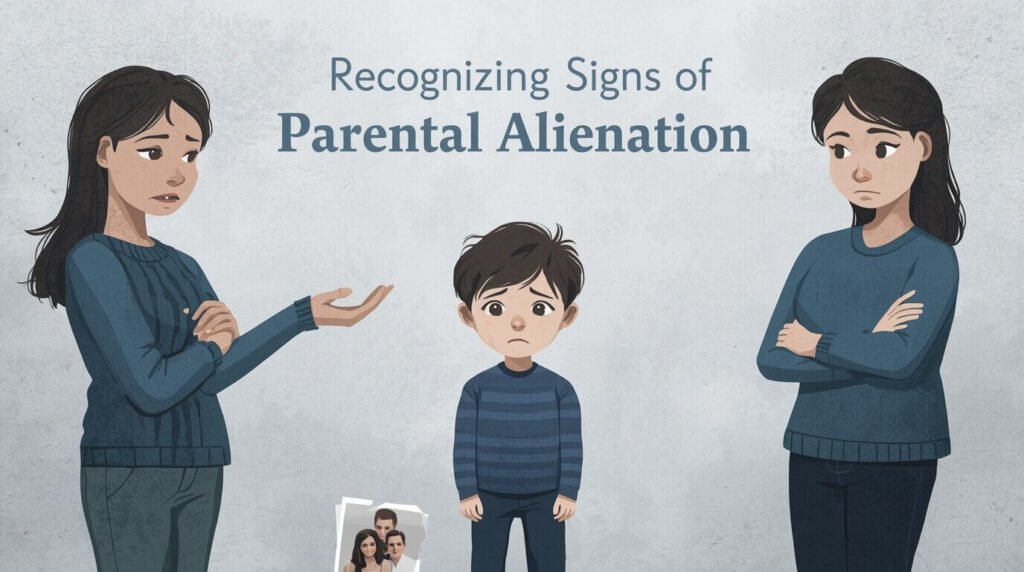
The child may also insist that the rejected parent has never been a good parent. These are significant warning signs. However, it is important to note that a child’s rejection of a parent may sometimes result from actual abuse or neglect. Therefore, it is essential to distinguish between genuine trauma and parental alienation.
How Alienation Happens
Parental alienation often begins subtly. One parent may make negative comments about the other parent, involve the child in adult conflicts, or question the other parent’s love and commitment. Over time, the child absorbs these messages and may begin to believe that the targeted parent is bad, harmful, or unloving.
This is not typically a conclusion the child would reach on their own. Instead, they are gradually influenced to adopt these beliefs.
The Long-Term Damage
Children who experience parental alienation may face significant challenges in adulthood. They may struggle to trust others, experience feelings of guilt or regret when they realize what happened, and lose valuable years of a relationship with a loving parent. The emotional consequences can be long-lasting and difficult to repair.
Research suggests that alienated children are at a higher risk of developing depression, anxiety, and low self-esteem. They may also carry unhealthy relationship patterns into adulthood.
What Is Parentification?
Parentification occurs when a child is forced to take on the responsibilities of a parent. The child becomes responsible for meeting the emotional or physical needs of the parent, reversing the natural parent-child relationship. Parents are meant to care for their children; when those roles are reversed, it can create serious emotional challenges.
There are two main types of parentification.
Emotional Parentification
This is generally considered the more harmful form. The child becomes the parents’ primary source of emotional support. They are exposed to adult problems and concerns and may be expected to comfort or counsel the parent after arguments, separations, or other stressful life events.
They come to believe that they are responsible for making their parent happy. However, that should never be a child’s responsibility. Carrying such emotional burdens is not healthy for a child’s mental and emotional development.
Instrumental Parentification
This type of parentification involves physical responsibilities. The child may cook, clean, care for younger siblings, or manage household tasks. While it is healthy for children to have age-appropriate chores, parentification occurs when a child assumes primary responsibility for running the household because the parent is unable to do so. At that point, the responsibilities become an unhealthy burden rather than a learning experience.
Why Does Parentification Occur?
Parentification often develops after a divorce or separation. One parent may be overwhelmed, depressed, emotionally distressed, or struggling to cope with life’s challenges. As a result, they begin relying on the child for emotional or practical support.
This does not necessarily mean that the parent has bad intentions. In fact, many parentified children report that their parents never intended to burden them. Nevertheless, the emotional impact is real, and the harm can be significant regardless of the parent’s intentions.
Parentification can also occur in households affected by addiction, mental illness, or chronic stress. In these environments, children often learn to suppress their own needs and emotions. Their primary focus becomes maintaining the parents’ stability and well-being.
The Impact of Parentification on a Child
Parentified children are forced to grow up too quickly and take on responsibilities that are inappropriate for their age. As a result, they often miss out on important aspects of childhood.
Many grow into adults who are highly anxious and feel responsible for the well-being of others. They may struggle to care for themselves because they have spent so much of their lives caring for everyone else. Asking for help can also feel uncomfortable because they were rarely allowed to depend on others.
In many cases, parentification is linked to unhealthy relationship patterns in adulthood. Parentified individuals often assume excessive responsibility in friendships, romantic relationships, and family dynamics. They may feel guilty when prioritizing their own needs and may not recognize these patterns for many years.
The Hidden Cost of Overcompensation
Overcompensation is a different but equally harmful pattern. It occurs when a parent becomes overly committed to making up for something they feel guilty about. Perhaps they feel ashamed about a divorce, regret not being present in the past, or believe they have somehow failed their child.
In response, they may overcompensate by giving too much, allowing too much freedom, or avoiding conflict at all costs. Their goal is often to keep the child happy. Although this behavior may appear loving on the surface, it can ultimately be damaging.
What Overcompensation Looks Like
Common signs of overcompensation include:
- Replacing quality time and boundaries with gifts and material rewards.
- Avoid saying “no” to prevent upsetting the child.
- Trying to be the “fun” parent in competition with the other parent.
- Refusing to enforce discipline or appropriate consequences.
- Treating the child more like a friend than a child.
- Excessively enforcing rules or discipline to compensate for what the parent perceives as a lack of structure in the other parent’s household.
Why It Hurts
Children need structure, guidance, and healthy boundaries. They need to hear “no” at times and experience manageable disappointments so they can develop resilience and emotional maturity.
When a parent overcompensates, the child may miss out on these important life lessons. They can begin to associate love with getting everything they want rather than with support, guidance, and healthy limits.
As they grow older, they may struggle when the real world does not meet their expectations. This can contribute to entitlement, anxiety, difficulty handling disappointment, and poor coping skills.
Overcompensation also sends a subtle but powerful message: that the parent feels guilty or inadequate. Children are highly perceptive and often pick up on these emotions. Rather than creating security, this dynamic can create uncertainty and emotional insecurity.
Overcompensation: Rules & Life Lessons for Parents
Healthy parenting rules to prevent overcompensation:
- Love should be expressed through consistency, not material rewards
- Saying “no” is a necessary part of emotional development
- Being a parent is not the same as being a friend
- Guilt should never guide parenting decisions
- Structure and warmth must exist together for healthy development
Life lessons children learn from balanced parenting:
- Emotional resilience through limits and boundaries
- Respect for rules, authority, and structure
- Healthy understanding of disappointment and patience
- Self-discipline and accountability
- Stability in relationships and expectations
How Trauma and Low Self-Esteem Can Distort Communication
Family conflict is not always caused by what is said. Sometimes it is driven by how a message is interpreted. Individuals who have experienced trauma, chronic criticism, abandonment, or low self-esteem may develop what mental health professionals often describe as defensive listening or hypervigilant listening.
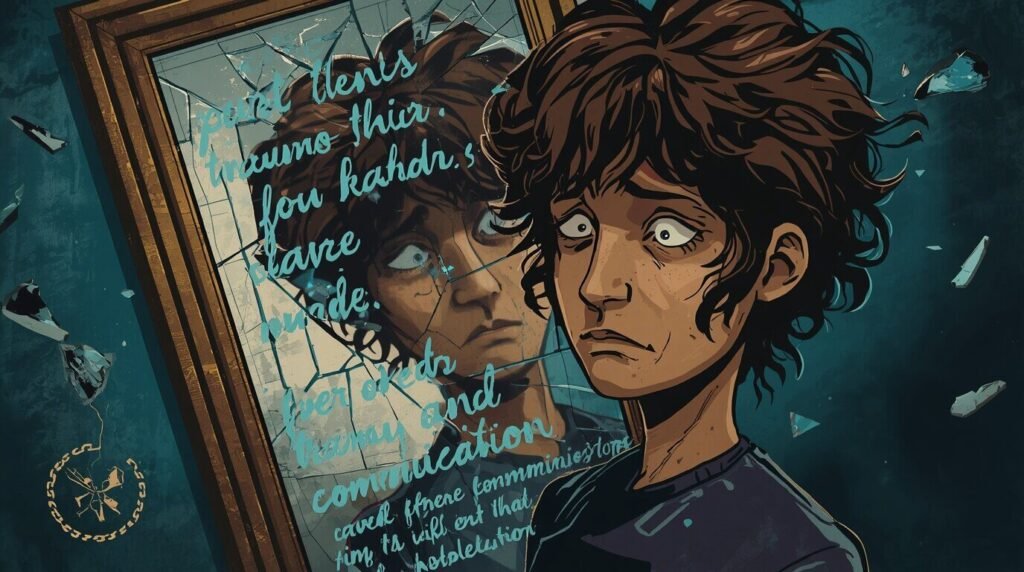
Individuals who have experienced chronic emotional stress, abandonment, or criticism may develop heightened emotional sensitivity. As a result, neutral communication can feel threatening or judgmental, even when no criticism was intended.
In these situations, neutral or objective statements may be perceived as criticism, rejection, or personal attacks. For example, a simple observation such as, “The kitchen counter is cluttered,” may be interpreted as, “You are lazy and never do anything right.”
This reaction is often influenced by trauma-related hypervigilance, negative self-beliefs, projection, and cognitive distortions such as personalization, mind reading, and emotional reasoning. Individuals with low self-esteem may unconsciously assume that others view them as negatively as they view themselves, causing neutral statements to feel critical or rejecting. Rather than responding to the speaker’s actual words, the individual may react to a perceived judgment that was never intended.
In high-conflict families, these communication patterns can contribute to misunderstandings, increase emotional reactivity, and make healthy co-parenting more difficult. When left unaddressed, they may reinforce unhealthy dynamics such as parental alienation, parentification, and overcompensation, making it even harder for family members to maintain healthy boundaries and relationships.
This dynamic can unintentionally reinforce family conflict patterns, including emotional withdrawal, defensive communication, and misinterpretation of intent, which may contribute to alienation, parentification, or overcompensation cycles.
Conflicting Household Rules and the Development of Self
Children who move between two households may encounter very different expectations, values, and parenting styles. Problems can arise when one parent attempts to compensate for the other parent’s approach by becoming excessively strict, critical, or controlling.
For example, a parent may say, “I have to discipline you because you do not get enough discipline at your other parent’s house.” While this may be intended to help the child, it can unintentionally communicate that one parent is superior to the other. Over time, the child may feel pressured to adopt different personalities, behaviors, or beliefs depending on which household they are in.
This inconsistency can make it difficult for children to develop a stable sense of identity, personal values, and emotional security. Instead of learning who they are, they may become focused on adapting to the expectations of each environment. In some cases, this can contribute to self-alienation, confusion, and ongoing emotional distress.
How These Three Patterns Connect
Parental alienation, parentification, and overcompensation often occur together. For example, a parent struggling with the emotional aftermath of a divorce may begin criticizing the other parent, rely heavily on the child for emotional support, and attempt to ease their own guilt by providing excessive gifts, privileges, or freedom.
In these situations, the child becomes trapped in the middle of all three dynamics. Each pattern is harmful on its own, but together they can create deep confusion about relationships, boundaries, and what healthy love truly looks like.
How Families Can Heal
Healing is possible, but it requires honesty, self-awareness, and effort from everyone involved.
Recognize the Pattern
Many parents are unaware of the harmful patterns they have developed. The first step toward healing is recognizing these behaviors. Therapy can be incredibly helpful in this process. A skilled therapist can identify these dynamics with compassion and guide families toward healthier interactions without judgment.
Keep the Child’s Needs at the Center
This may seem obvious, but in high-conflict situations, parents often become focused on their own emotions and grievances. As a result, the child’s needs can be overlooked. Effective healing begins when parents prioritize the child’s emotional well-being above their personal conflicts.
Rebuild the Rejected Relationship
In cases of parental alienation, rebuilding the relationship between the child and the rejected parent takes time. Patience, consistency, and understanding are essential. Applying pressure often makes the situation worse, while calm and steady efforts can gradually restore trust and strengthen the relationship.
Establish Healthy Boundaries Instead of Overcompensating
Parents who feel guilty may try to make up for past mistakes by becoming overly permissive or giving excessive gifts and privileges. However, this approach rarely benefits the child. Healthy boundaries, structure, and appropriate expectations are not punishments—they are gifts that help children feel secure and develop resilience.
Teach Children How to Think, Not What to Think
Children affected by divorce and family conflict may experience what some professionals describe as compound trauma—the cumulative impact of multiple stressful or traumatic experiences over time. These experiences may include ongoing parental conflict, the divorce itself, changes in living arrangements, and continued tension after the separation.

Rather than solving every problem for a child or attempting to eliminate all discomfort, parents can help children develop resilience by teaching problem-solving skills. Encouraging children to identify their emotions, think critically about challenges, and participate in finding solutions helps build confidence and emotional maturity.
Parents can support this process by asking open-ended questions, validating emotions before offering advice, and modeling healthy problem-solving in everyday situations. These skills can help children better process difficult experiences and develop healthier coping strategies throughout life.
Seek Professional Support
Professional support can play a crucial role in recovery. Family therapy, co-parenting counseling, and individual therapy can all help address the challenges associated with parental alienation, parentification, and overcompensation. These issues are often complex and emotionally charged, making professional guidance an important part of the healing process.
Frequently Asked Questions
Is PAS Officially Recognized?
Parental Alienation Syndrome (PAS) is not included in the DSM-5. However, the behaviors associated with parental alienation are widely recognized by family courts and mental health professionals. While the terminology remains a subject of debate, many experts acknowledge that parental alienation is a real and significant issue.
Can Alienation Occur Without a Parent Intentionally Causing It?
Yes. Parents can unintentionally contribute to alienation by making negative comments about the other parent, even when they do not intend to damage the relationship. The impact on the child is not always determined by the parent’s intentions.
How Can I Tell If My Child Is Being Parentified?
Some common signs of parentification include a child frequently comforting a parent during emotional distress, taking responsibility for the parent’s feelings, or neglecting age-appropriate activities and interests in favor of adult responsibilities. If a child seems overly concerned with managing household or emotional burdens, parentification may be occurring.
Is Overcompensation Always Harmful?
Not necessarily. Occasional generosity or special privileges are a normal part of parenting. Overcompensation becomes harmful when it consistently replaces healthy boundaries and is driven by parental guilt rather than the child’s developmental needs.
What’s the Most Important Next Step for a Family?
Seeking support from a licensed family therapist with experience in divorce, family conflict, and child psychology can be extremely beneficial. An objective professional can often identify unhealthy patterns that may be difficult for family members to recognize on their own.
Conclusion
Parental alienation, parentification, and overcompensation are three subtle yet powerful ways children can be harmed during or after family separation. These patterns do not necessarily arise from bad parenting. Often, they stem from unresolved pain, misplaced guilt, or love expressed in unhealthy ways.
Fortunately, awareness is the first step toward breaking the cycle. When parents understand these dynamics, they can make healthier choices that support their child’s emotional well-being. Children are remarkably resilient, and with the right support, guidance, and genuine commitment to change, families can heal and children can grow up feeling safe, loved, and emotionally secure.