
Siblings with large age gaps experience family relationships differently from those close in age. Family bonds shape our earliest understanding of trust, conflict, and emotional connection, but when years separate siblings, these relationships often develop along a unique path. What may seem simple on the surface—an older child and a younger one—can become a complex emotional dynamic within the family.
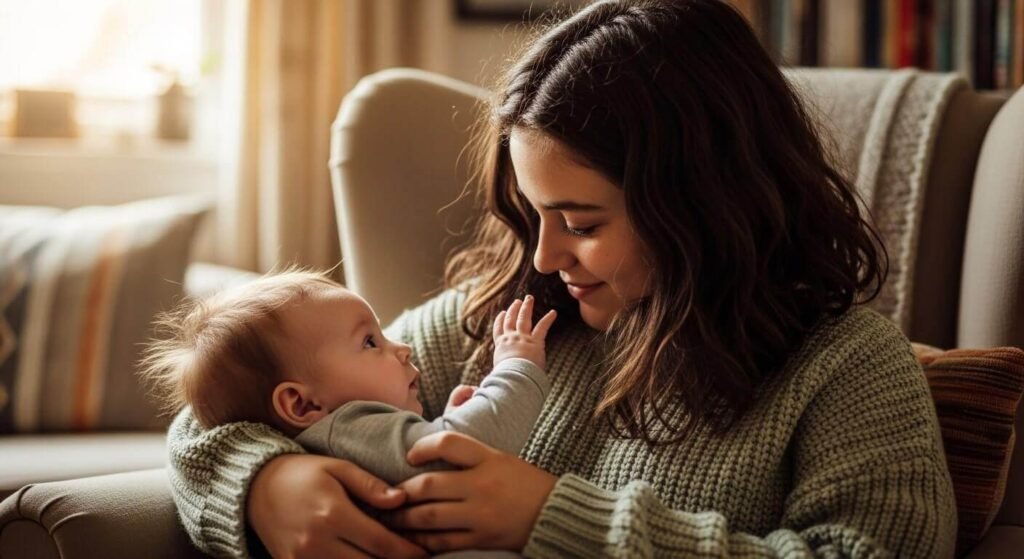
Age gaps of large sizes don’t necessarily create conflicts. In many families, they can reduce competition and rivalry. But they also bring emotional distance, unbalanced expectations and unspoken anger that, if not addressed they can linger with siblings into adulthood.
This article explains ways families can manage the sibling relationship when there are years between children. Parents who are thoughtful can transform the distance into understanding, and differences into strength.
Table of Contents
- Why Age Gaps Change the Nature of Sibling Relationships
- The Emotional Reality of Growing Up in Different Life Stages
- Where Conflict Quietly Begins in Age-Gap Families
- The Unspoken Weight Placed on Older Siblings
- How Younger Children Experience the Gap
- Why “Fair” Parenting Often Feels Unfair
- Building Connection Without Forcing Similarity
- Communication Strategies That Reduce Long-Term Resentment
- Creating Shared Meaning Across Different Ages
- How These Relationships Evolve Into Adulthood
- Frequently Asked Questions
- Conclusion: Turning Age Differences Into Lifelong Strength
Why Large Age Gaps Change Sibling Relationships
If siblings have to be separated for many years, they’re rarely going through the same phase of their lives in the same way. A child may require constant supervision, whereas another is gaining independence. This will change the way they view each other, not being viewed as friends, rather as “the baby” and “the older one.”
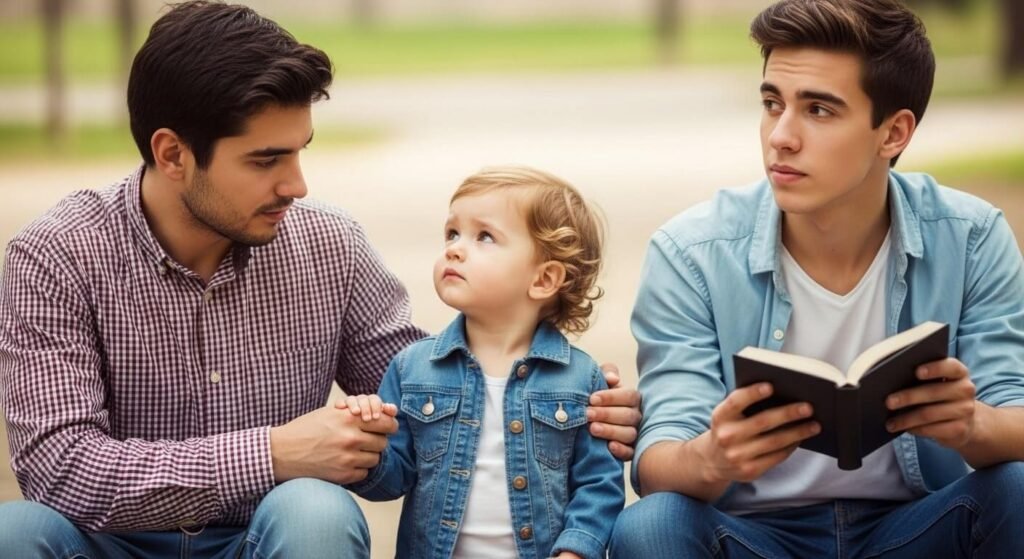
The separation can result in less shared memories, less inside jokes, and fewer instances of a sense of connection. In the absence of a plan, siblings could develop side by side instead of in a group.
However, these differences also provide opportunities. With the right guidance, siblings are able to learn empathy, patience and respect that usually surpass relationships based on similarities alone.
The Emotional Reality for Siblings with Large Age Gaps
Children see the world through their development stage. Children’s needs are immediate as well as emotional. The world of an older child is defined by pressures from society identity, self-identity, and autonomy.
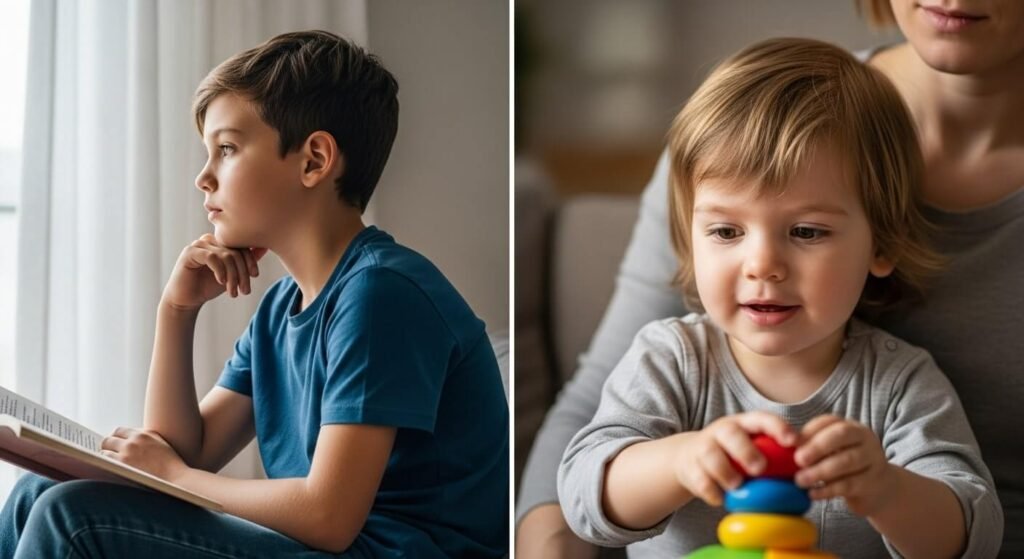
When parents don’t consider the differences between them, conflicts could develop. The older sibling might feel neglected or overwhelmed. The younger sibling could feel slighted or ignored.
Both experiences are valid, but both require acknowledgement.
Where Conflict Quietly Begins in Age-Gap Families
Conflict within large age gap families is rarely seen as constant fights. It is more often seen as:
- Emotional withdrawal
- Insanity or arrogance
- Avoidance is better than confrontation
- A long-standing resentment which is not ever
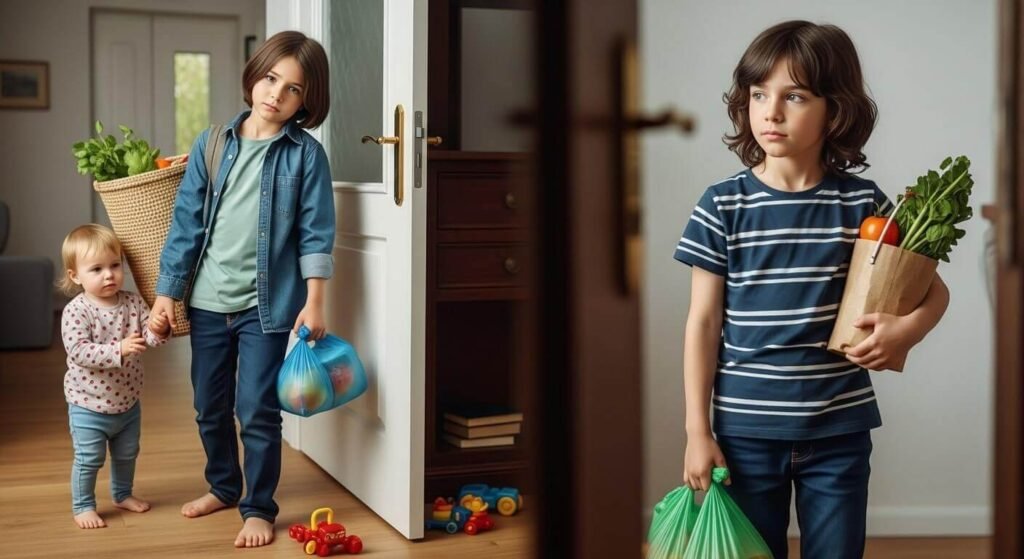
This subtle pattern is simple to miss but is incredibly influential in forming long-term relationships. If emotions are not expressed the distance increases.
The Unspoken Weight Placed on Older Siblings
Older siblings are often expected to “know better,” “be patient,” or “help out” simply because of their age. While these expectations can encourage responsibility, they become harmful when they take away a child’s sense of freedom and childhood.
Many older siblings quietly feel that:
- Their responsibility is treated as something automatic rather than acknowledged
- Their need for privacy or personal time is overlooked
- They are expected to act more like a caregiver than a sibling
When these expectations are not balanced with emotional support, they can damage trust and lead to emotional fatigue that lasts well into adulthood.
How Younger Children Experience the Gap
Children often adore their older sisters or brothers but they may feel isolated from their surroundings. If older siblings leave, which is natural looking for independence, the younger child might take it as a sign of the rejection of their parents.
This can cause insecurity as well as attention-seeking behavior or confusion over boundaries. Ensuring that young children understand these distinctions helps to ensure their emotional security and helps avoid the possibility of misinterpretation.
Why “Fair” Parenting Often Feels Unfair
One of the biggest causes of tension between siblings is the perception of favoritism. In families with a gap in age fairness doesn’t always look identical.
Children who are older may be resentful of more strict rules from their childhood. Children younger than them may be jealous of the privileges they’ve not yet earned. Parents are often caught in the middle, attempting to satisfy a variety of requirements.
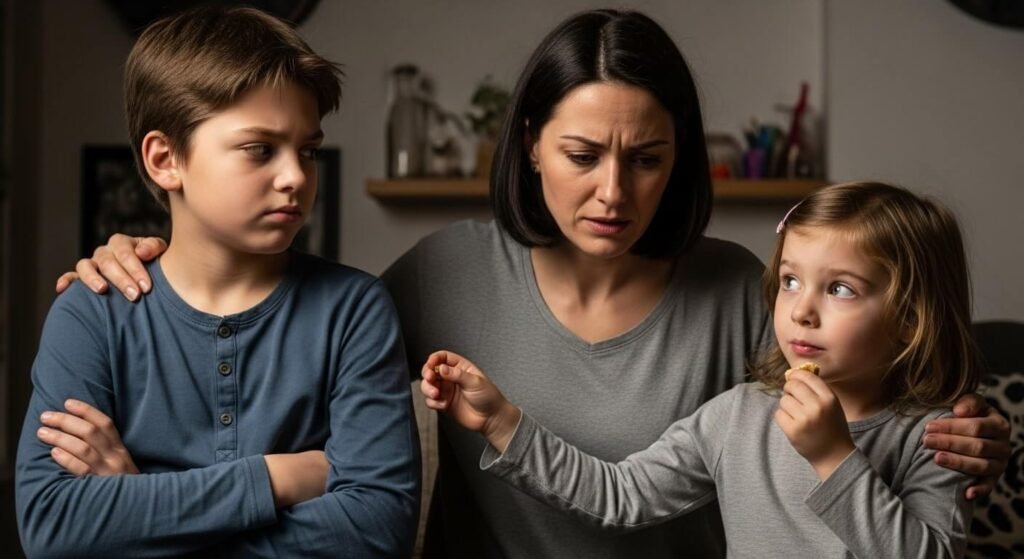
Fair parenting is not the same as parenting. It is more like an adaptive parenting style. Making decisions clear to children helps them to understand that fairness evolves to changes in the child’s development.
Building Connection Without Forcing Similarity
Strong relationships between siblings aren’t made by force sharing interests. They are formed by sharing a common presence.
Activities that allow children to be involved on their own terms, such as traditional family gatherings, artistic projects or outdoor activities–create connections without any pressure.
Also important is the ability to create space. Respecting the individual’s interests and boundaries reduces the possibility of anger and promotes organic connection.
Communication Strategies That Reduce Long-Term Resentment
Respectful, open communication is the basis of emotional security. Inspiring children to communicate their emotions without blaming others helps develop emotional intelligence at an early age.
Parents who teach peaceful conflict resolution can teach children that disagreements do not cause harm to the relationship. As time passes, this builds trust, not just between siblings, but also within the whole family unit.
Creating Shared Meaning Across Different Ages
Sharing rituals can create emotional anchors. These occasions don’t have to be complex. The importance of consistency is greater than the complexity.
It doesn’t matter if it’s a weekly ritual, sharing responsibility, a weekly ritual or even a family tale. The rituals help create common memories that bridge the gap between generations and help to strengthen the bonds of identity.
How Relationships Between Siblings with Large Age Gaps Evolve Into Adulthood
As siblings grow older, age gaps that once felt overwhelming often begin to feel smaller. As life stages change, perspectives mature, and emotional understanding deepens, siblings may begin to reconnect in new ways.

Sibling relationships that make room for vulnerability — where emotions can be expressed honestly and without pressure — are more likely to develop into meaningful, supportive connections in adulthood.
Frequently Asked Questions
Do large age gaps between siblings are harmful?
No. They face distinct challenges, but when they are communicated with intent and purpose they can create an emotional maturity and respect.
How can parents stop anger from developing?
By balancing responsibility, accepting emotions, and not making preconceived notions based on only age.
Do siblings need to be encouraged to spend time with each other?
Yes, but without pressure. The sharing of time should be safe and free.
Do age-gap siblings reconnect later in life?
Most do, especially those whose early experiences were based on respect and not in obligation.
Conclusion: Turning Age Differences Into Lifelong Strength
Large age gaps between siblings do not have to be a sign of emotional separation. With a little awareness, compassion, and wise guidance families can transform their differences into connections.
Sibling relationships don’t have to be determined by age, but rather by the way in which emotions are dealt with, boundaries are respected and communication is encouraged. When families concentrate on understanding, not competition, siblings have the ability to develop over time.